
News
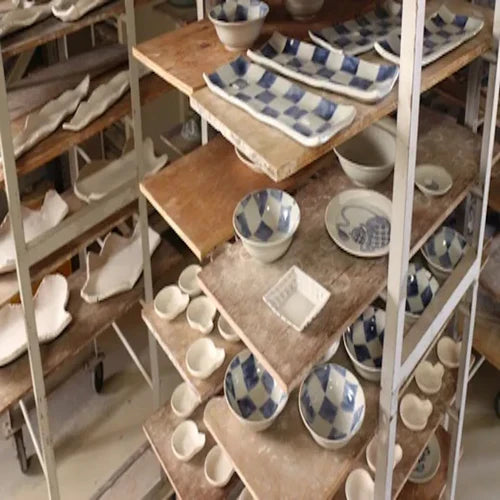
Bunkichi-kiln
The Bunkichi kiln was established in the Meiji period by Azuma Bunkichi, a master Kutani potter and apprentice of the founder of ceramics, Saita Michiaki.
Bunkichi-kiln
The Bunkichi kiln was established in the Meiji period by Azuma Bunkichi, a master Kutani potter and apprentice of the founder of ceramics, Saita Michiaki.
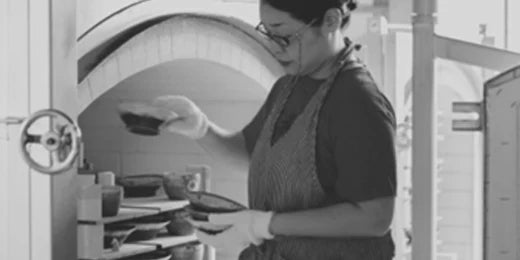
Utsutsu-Kiln
Utsutsu Kiln was established by Kutani-yaki artist Inazumikakoku in the lush mountainous region of Iouzan in Kanazawa.
Utsutsu-Kiln
Utsutsu Kiln was established by Kutani-yaki artist Inazumikakoku in the lush mountainous region of Iouzan in Kanazawa.
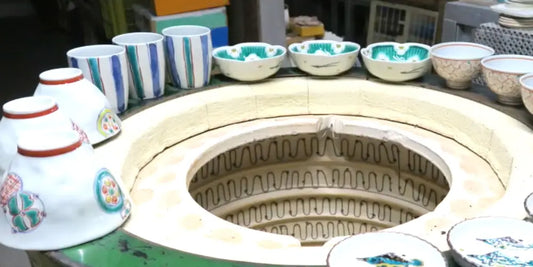
Bitouen
Kutani Bitoen is popular for its rich assortment. While successfully incorporating the successive painting styles of Kutaniyaki, Kosotsuke and Koakae into the overglaze painting, they decorate the dining table with...
Bitouen
Kutani Bitoen is popular for its rich assortment. While successfully incorporating the successive painting styles of Kutaniyaki, Kosotsuke and Koakae into the overglaze painting, they decorate the dining table with...

Myousentoubou
The traditional technique of "katauchi" is disappearing with the advance of mechanization. Myosen Toubou, which has inherited this technique by hand, can be said to be a rare entity today.
Myousentoubou
The traditional technique of "katauchi" is disappearing with the advance of mechanization. Myosen Toubou, which has inherited this technique by hand, can be said to be a rare entity today.

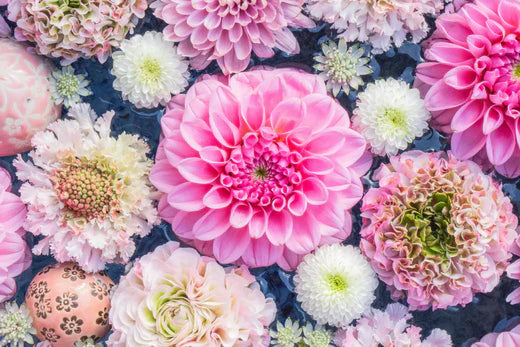
Japanese Flower Language (Hanakotoba)
The term "language of flowers" refers to the meanings and symbolism associated with different flowers.
Japanese Flower Language (Hanakotoba)
The term "language of flowers" refers to the meanings and symbolism associated with different flowers.